


-

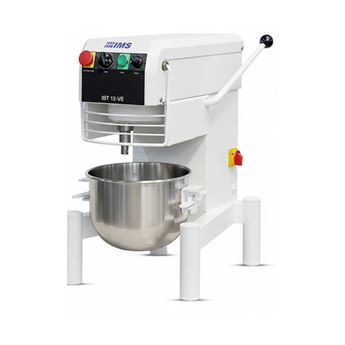
IBT 12-VE
IBT 12-VE, with 10 L bowl capacity, consolidates daily cream, dough and whisking work in a single unit for boutique pastry shops, cafés and small patisserie operations. Simple operation and durable build suit moderate production tempo. -
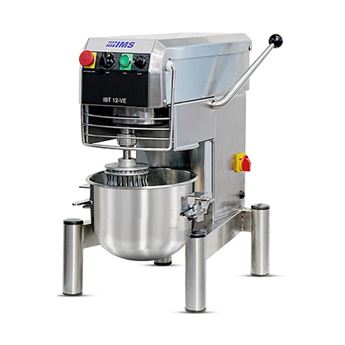
IBT 12-VE CR
IBT 12-VE CR, with 10 L bowl and stainless steel body, consolidates daily cream, dough and whisking work in a single unit for boutique pastry shops, cafés and small patisserie operations. Durable build for lasting use. -
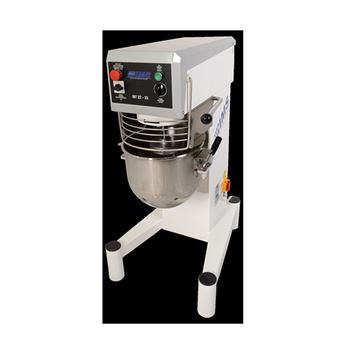
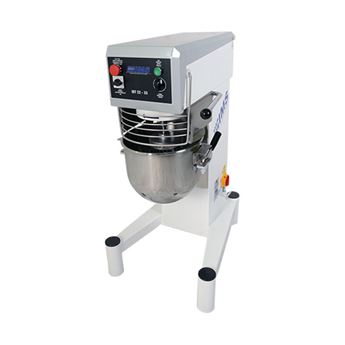
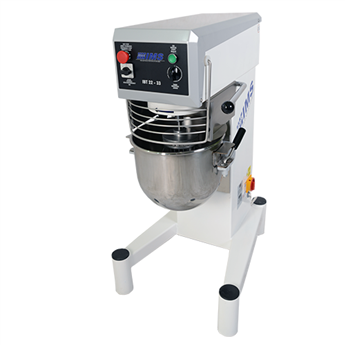
IBT 22-33
IBT 22-33, with 20 L bowl capacity, consolidates daily cream, dough and whisking work in a single unit for boutique pastry shops, cafés and small patisserie operations. Simple operation and durable build suit moderate production tempo. -
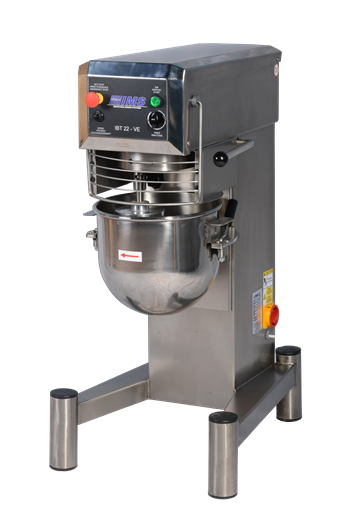
IBT 22-VE
IBT 22-VE, with 20 L bowl capacity, consolidates daily cream, dough and whisking work in a single unit for boutique pastry shops, cafés and small patisserie operations. Simple operation and durable build suit moderate production tempo. -
IBT 22-VES
IBT 22-VES, with 20 L bowl capacity and speed control, consolidates daily cream, dough and whisking work in a single unit for boutique pastry shops, cafés and small patisserie operations. Durable build for lasting use. -
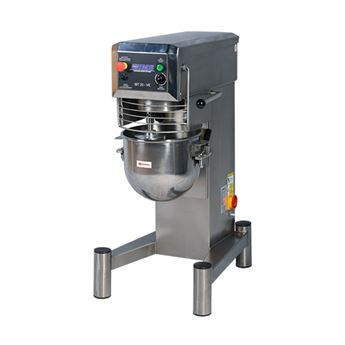
IBT 22-33 CR
IBT 22-33 CR, with 20 L bowl and stainless steel body, consolidates daily cream, dough and whisking work in a single unit for boutique pastry shops, cafés and small patisserie operations. Durable build for lasting use. -
IBT 22-VE CR
IBT 22-VE CR, with 20 L bowl and stainless steel body, consolidates daily cream, dough and whisking work in a single unit for boutique pastry shops, cafés and small patisserie operations. Durable build for lasting use. -
IBT 22-VES CR
IBT 22-VES CR, 20 L bowl capacity, speed-controlled with stainless steel body, consolidates daily cream, dough and whisking work in a single unit for boutique pastry shops, cafés and small patisserie operations. Durable build for lasting use. -
IBT 32-33
IBT 32-33, with 30 L bowl capacity, consolidates daily cream, dough and whisking work in a single unit for boutique pastry shops, cafés and small patisserie operations. Simple operation and durable build suit moderate production tempo. -
IBT 32-VE
IBT 32-VE, with 30 L bowl capacity, consolidates daily cream, dough and whisking work in a single unit for boutique pastry shops, cafés and small patisserie operations. Simple operation and durable build suit moderate production tempo. -
IBT 32-VES
IBT 32-VES, with 30 L bowl capacity and speed control, consolidates daily cream, dough and whisking work in a single unit for boutique pastry shops, cafés and small patisserie operations. Durable build for lasting use. -
IBT 32-33 CR
IBT 32-33 CR, with 30 L bowl and stainless steel body, consolidates daily cream, dough and whisking work in a single unit for boutique pastry shops, cafés and small patisserie operations. Durable build for lasting use. -
IBT 32-VE CR
IBT 32-VE CR, with 30 L bowl and stainless steel body, consolidates daily cream, dough and whisking work in a single unit for boutique pastry shops, cafés and small patisserie operations. Durable build for lasting use. -
IBT 32-VES CR
IBT 32-VES CR, 30 L bowl capacity, speed-controlled with stainless steel body, consolidates daily cream, dough and whisking work in a single unit for boutique pastry shops, cafés and small patisserie operations. Durable build for lasting use. -
IBT 42-33
IBT 42-33, with 40 L bowl capacity, covers daily production volume for mid-to-large bakeries, hotel kitchens and catering operations. Whisk, dough hook and paddle attachments cover all main operations. -
IBT 42-VE
IBT 42-VE, with 40 L bowl capacity, covers daily production volume for mid-to-large bakeries, hotel kitchens and catering operations. Whisk, dough hook and paddle attachments cover all main operations. -
IBT 42-VES
IBT 42-VES, with 40 L bowl capacity and speed control, covers daily production volume for mid-to-large bakeries, hotel kitchens and catering operations. Whisk, dough hook and paddle attachments cover all main operations. -
IBT 42-33 CR
IBT 42-33 CR, with 40 L bowl and stainless steel body, covers daily production volume for mid-to-large bakeries, hotel kitchens and catering operations. Whisk, dough hook and paddle attachments cover all main operations. -
IBT 42-VE CR
IBT 42-VE CR, with 40 L bowl and stainless steel body, covers daily production volume for mid-to-large bakeries, hotel kitchens and catering operations. Whisk, dough hook and paddle attachments cover all main operations. -
IBT 42-VES CR
IBT 42-VES CR, 40 L bowl capacity, speed-controlled with stainless steel body, covers daily production volume for mid-to-large bakeries, hotel kitchens and catering operations. Whisk, dough hook and paddle attachments cover all main operations. -
IBT 44-VES
IBT 44-VES, with 40 L bowl capacity and speed control, designed for continuous kneading of stiff and heavy dough. Suited for mid-to-large bakeries, hotel kitchens and catering operations. Reinforced motor for stable performance under load. -
IBT 44-VES CR
Planetary Mixer 40 L -
IBT 64-33
IBT 64-33, with 60 L bowl capacity, covers daily production volume for mid-to-large bakeries, hotel kitchens and catering operations. Whisk, dough hook and paddle attachments cover all main operations. -
IBT 64-VE
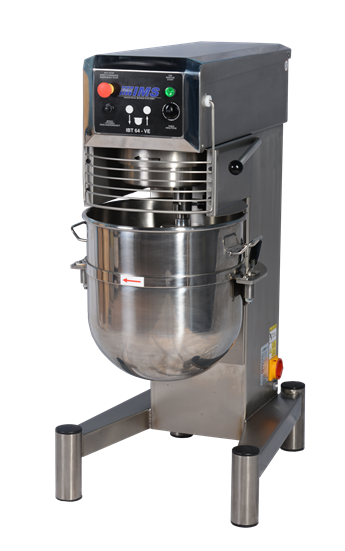
IBT 64-VE, with 60 L bowl capacity, covers daily production volume for mid-to-large bakeries, hotel kitchens and catering operations. Whisk, dough hook and paddle attachments cover all main operations. -
IBT 64-VES
IBT 64-VES, with 60 L bowl capacity and speed control, covers daily production volume for mid-to-large bakeries, hotel kitchens and catering operations. Whisk, dough hook and paddle attachments cover all main operations. -
IBT 64-33-CR
IBT 64-33 CR, with 60 L bowl and stainless steel body, covers daily production volume for mid-to-large bakeries, hotel kitchens and catering operations. Whisk, dough hook and paddle attachments cover all main operations. -
IBT 64-VE CR
IBT 64-VE CR, with 60 L bowl and stainless steel body, covers daily production volume for mid-to-large bakeries, hotel kitchens and catering operations. Whisk, dough hook and paddle attachments cover all main operations. -
IBT 64-VES CR
IBT 64-VES CR, 60 L bowl capacity, speed-controlled with stainless steel body, covers daily production volume for mid-to-large bakeries, hotel kitchens and catering operations. Whisk, dough hook and paddle attachments cover all main operations. -
IBT 66-VES
IBT 66-VES, with 60 L bowl capacity and speed control, designed for continuous kneading of stiff and heavy dough. Suited for mid-to-large bakeries, hotel kitchens and catering operations. Reinforced motor for stable performance under load. -
IBT 66-VES CR
Planetary Mixer 60 L -
IBT 80-VE
IBT 80-VE, with 80 L bowl capacity, covers daily production volume for mid-to-large bakeries, hotel kitchens and catering operations. Whisk, dough hook and paddle attachments cover all main operations. -
IBT 80-VEL
IBT 80-VEL, with 80 L bowl and bowl lift, covers daily production volume for mid-to-large bakeries, hotel kitchens and catering operations. Whisk, dough hook and paddle attachments cover all main operations. -
IBT 80-VE CR
IBT 80-VE CR, with 80 L bowl and stainless steel body, covers daily production volume for mid-to-large bakeries, hotel kitchens and catering operations. Whisk, dough hook and paddle attachments cover all main operations. -
IBT 80-VEL CR
IBT 80-VEL CR, with 80 L bowl, bowl lift and stainless steel body, covers daily production volume for mid-to-large bakeries, hotel kitchens and catering operations. Whisk, dough hook and paddle attachments cover all main operations. -
IBT 88-VEL+
IBT 88-VEL+, with 80 L bowl capacity, designed for continuous kneading of stiff and heavy dough. Suited for mid-to-large bakeries, hotel kitchens and catering operations; reinforced motor delivers stable performance under sustained load. -
IBT 88-VEL+ CR
Planetary Mixer 80 L -
IBT 100 E
IBT 100 E, with 100 L bowl capacity, handles high-volume mixing and dough work for large bakery chains, central production kitchens and ready-meal facilities. Durable motor and rigid frame deliver steady performance through long shifts. -
IBT 100-VEL
IBT 100-VEL, with 100 L bowl and bowl lift, handles high-volume mixing and dough work for large bakery chains, central production kitchens and ready-meal facilities. Durable motor and rigid frame deliver steady performance through long shifts. -
IBT 100-VEL CR
Planetary Mixer 100 L -
IBT 120 E
IBT 120 E, with 120 L bowl capacity, handles high-volume mixing and dough work for large bakery chains, central production kitchens and ready-meal facilities. Durable motor and rigid frame deliver steady performance through long shifts. -
IBT 120-VEL
IBT 120-VEL, with 120 L bowl and bowl lift, handles high-volume mixing and dough work for large bakery chains, central production kitchens and ready-meal facilities. Durable motor and rigid frame deliver steady performance through long shifts. -
IBT 120-VEL CR
Planetary Mixer 120 L -
IBT 140-VEL
IBT-140-VEL, with 140 L bowl and bowl lift, handles high-volume mixing and dough work for large bakery chains, central production kitchens and ready-meal facilities. Durable motor and rigid frame deliver steady performance through long shifts. -
IBT 140-VEL CR
Planetary Mixer 140 L -
IBT 150 DC CR
IBT 150 DC CR, 150 L bowl capacity heavy-duty model with double column (bridge) frame and stainless steel body. It is used for high-volume mixing and dough work in large bakery chains, central production kitchens and ready-meal facilities. -
IBT 200-VEL
IBT 200-VEL, with 200 L bowl and bowl lift, is built for continuous large-batch kneading in industrial cake, biscuit and snack production plants. High torque transfer and stable frame support sustained continuous operation. -
IBT 300-VEL
IBT 300-VEL, with 300 L bowl and bowl lift, is built for continuous large-batch kneading in industrial cake, biscuit and snack production plants. High torque transfer and stable frame support sustained continuous operation. -
IBT 300 DC
IBT 300 DC, 300 L bowl capacity heavy-duty model with double column (bridge) frame. It is used for continuous large-batch kneading in industrial cake, biscuit and snack production plants. Stable frame supports continuous operation. -
IBT 300 DC CR
IBT 300 DC CR, 300 L bowl capacity heavy-duty model with double column (bridge) frame and stainless steel body. It is used for continuous large-batch kneading in industrial cake, biscuit and snack production plants.

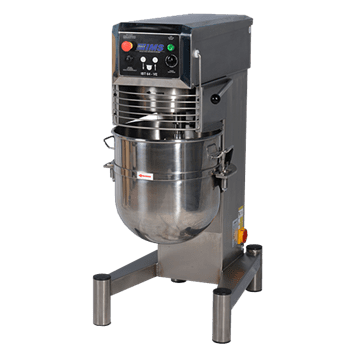
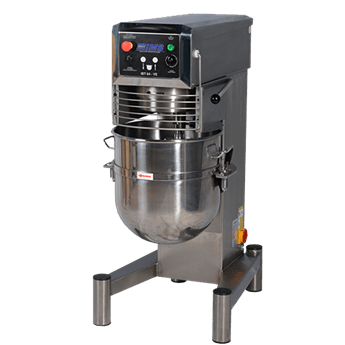
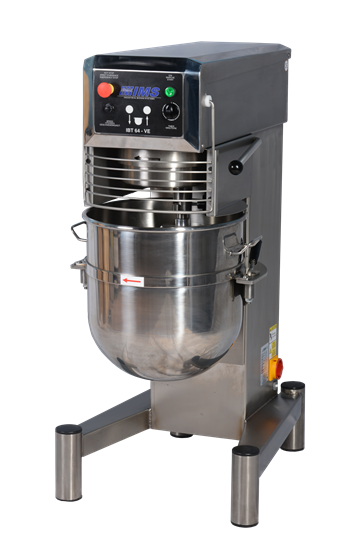
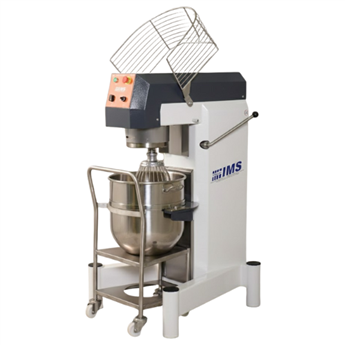
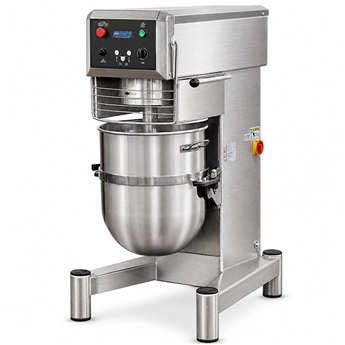
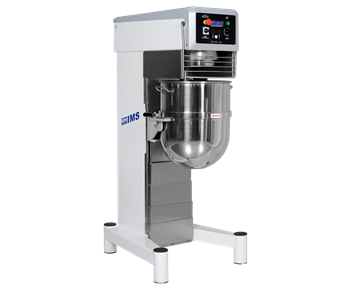
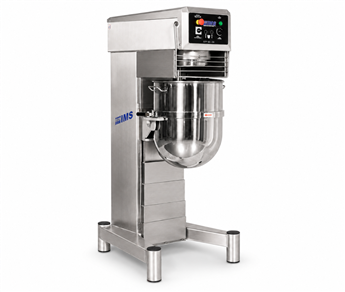
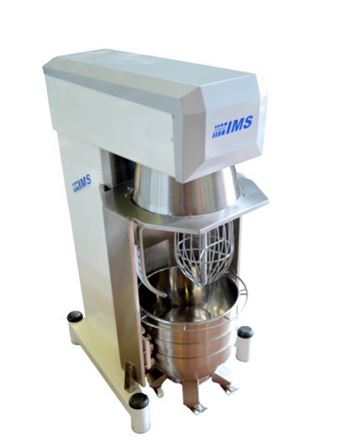

What Is a Planetary Mixer and How Does It Work?
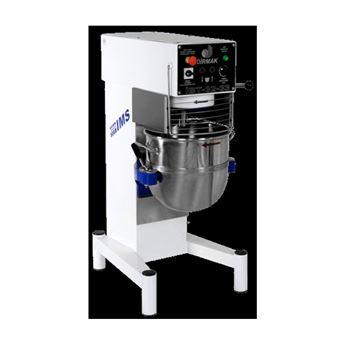
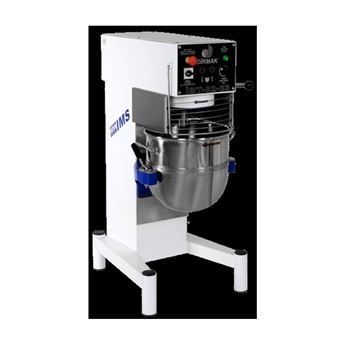
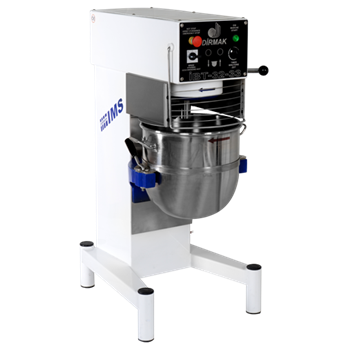
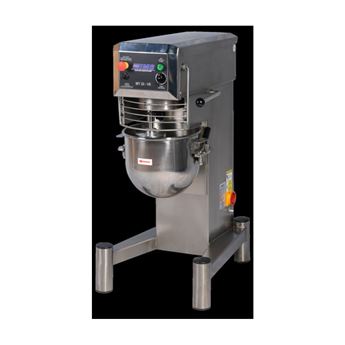
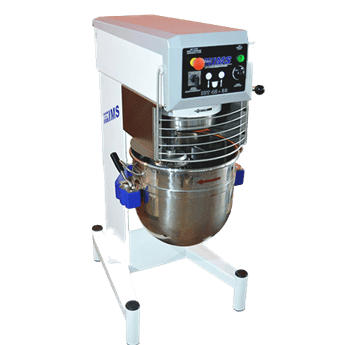
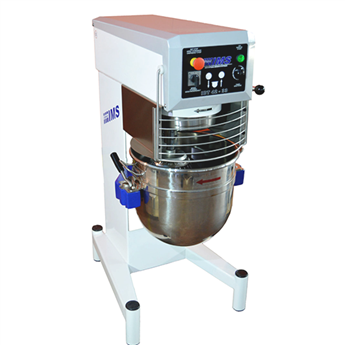
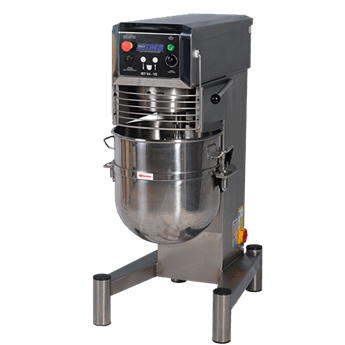
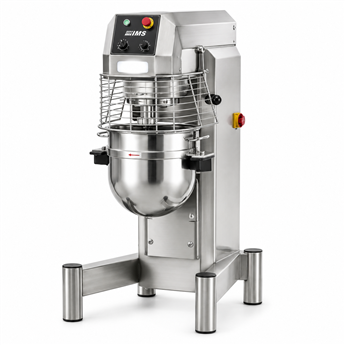
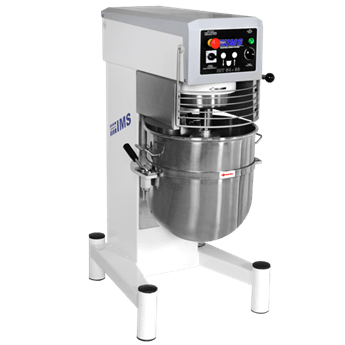
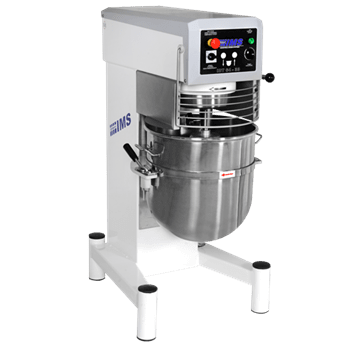
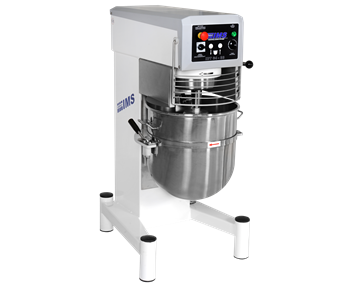
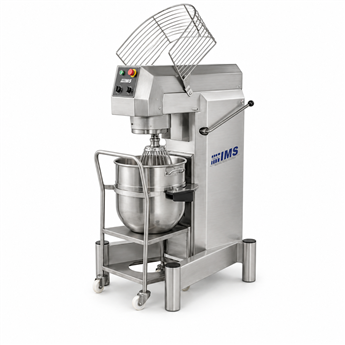
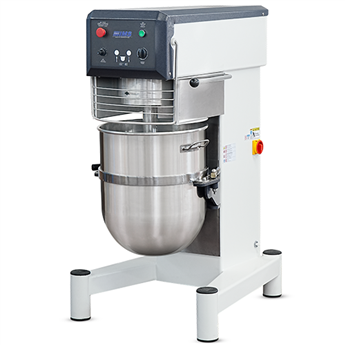
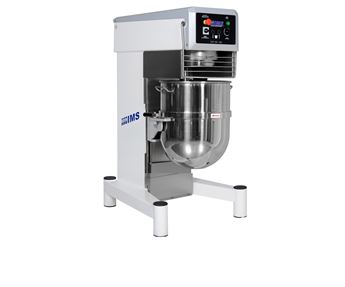
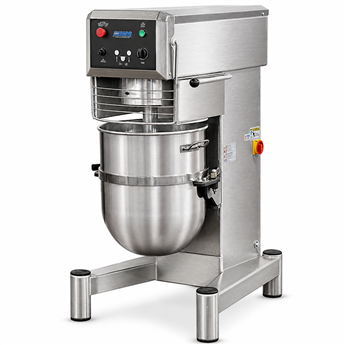
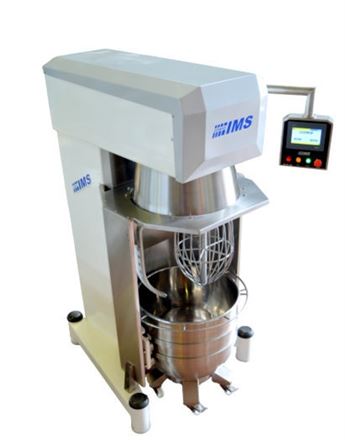
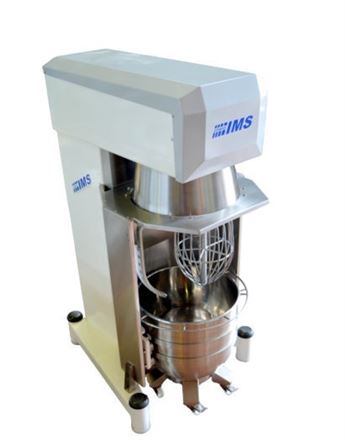
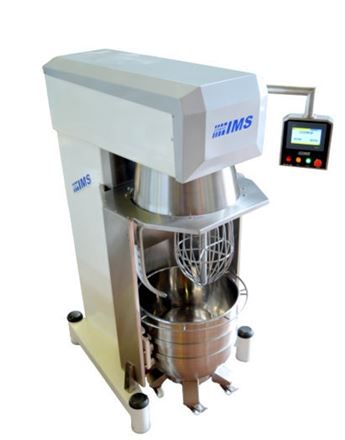
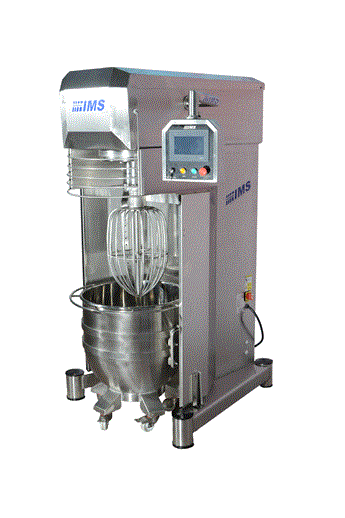
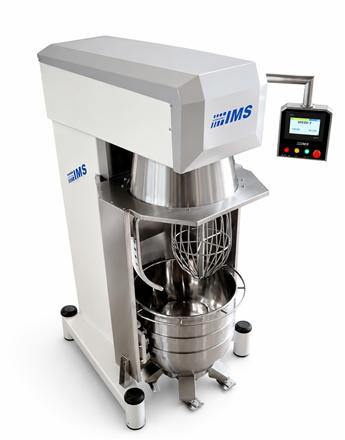
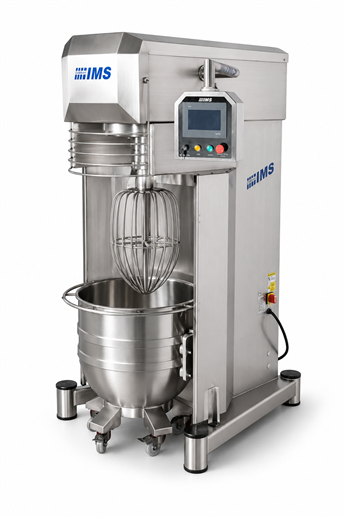
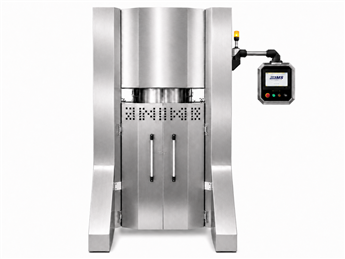
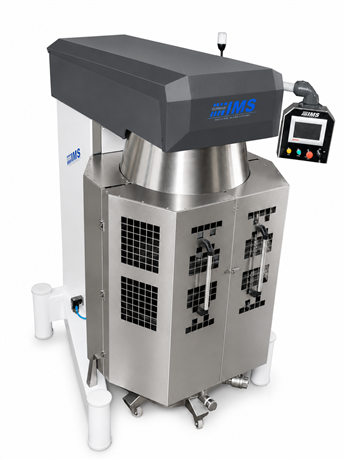
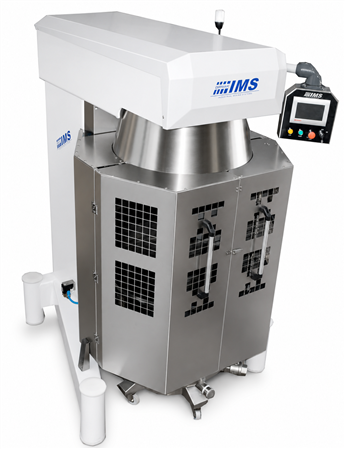
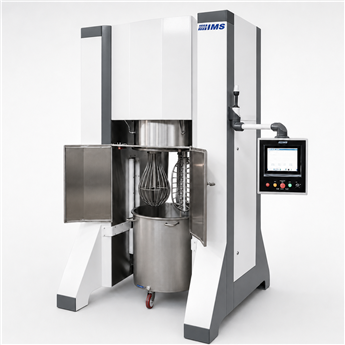
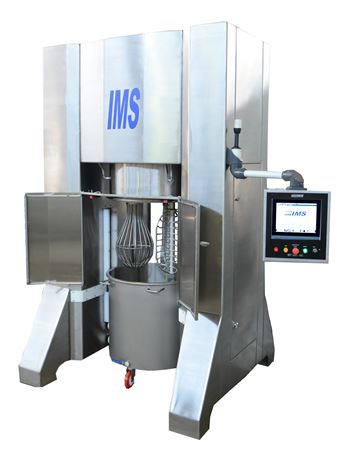
A planetary mixer is an essential piece of equipment widely used in industrial kitchens, bakeries and pastry production. Its name comes from the planetary motion system, where the mixing tool rotates around the bowl while simultaneously spinning on its own axis. This dual movement ensures all ingredients are mixed evenly and efficiently.
This system provides consistent and homogeneous results, especially when working with large volumes of ingredients. Planetary mixers are ideal for applications such as whipping, mixing and kneading in professional food production environments.
What Are the Advantages of Planetary Mixers?
The main advantage of planetary mixers is their ability to deliver uniform and consistent mixing results. Unlike traditional mixers, ingredients do not accumulate in one area, ensuring better texture and quality.
They are available in different capacities, making them suitable for both small-scale kitchens and large industrial production facilities. Equipped with powerful motors, they maintain high performance even during long operating hours.
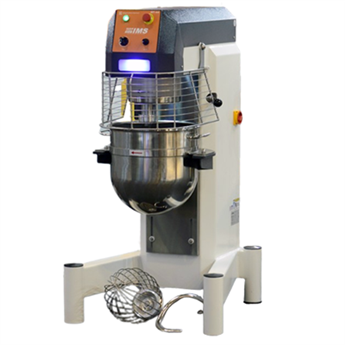
With interchangeable attachments such as whisks, dough hooks and paddles, planetary mixers provide versatility and efficiency in multiple applications.
What to Consider When Choosing a Planetary Mixer?
When selecting a planetary mixer, it is important to consider your production needs. Capacity, motor power and speed settings are key factors.
For high-volume production, choosing a model with a larger bowl and a more powerful motor is essential. Easy cleaning and hygienic design are also critical for food safety.
Additionally, the availability of accessories and attachments increases functionality. A versatile mixer allows you to perform multiple processes with a single machine, improving efficiency and reducing operational costs.